
Use More Generation on Site
Match solar generation with suitable daytime business loads to increase potential self-consumption.
Explore a commercial solar system shaped around your site, operating hours, electricity use and future plans. Kveto Sunspire helps turn business and property information into a clearer solar proposal.
A well-considered commercial solar installation can supply electricity while the system is generating and may reduce the amount purchased from the grid. Actual outcomes vary with design, consumption, tariffs, weather, exports and operating conditions.
Match solar generation with suitable daytime business loads to increase potential self-consumption.
Using solar electricity while it is generated may reduce the amount purchased at applicable retail rates.
Include future electrification, EV charging, battery storage and emissions goals in the system discussion.
Suitability depends on the individual site and business. These examples show the types of operating patterns that may be explored during an assessment.
Daytime occupancy, air conditioning, equipment loads and tenancy arrangements can shape the discussion.
Trading hours, refrigeration, lighting and common-property requirements may influence the proposal.
Large roof areas, operating schedules, access and future vehicle charging may be relevant.
Production loads, demand patterns, electrical infrastructure and connection complexity require attention.
Long operating hours, cooling, hot water and seasonal occupancy may affect solar usage.
Pumping, refrigeration, processing, sheds and site distances can create distinct requirements.
These are assessment pathways rather than fixed packages. Common capacities such as 30 kW, 50 kW and 100 kW may be discussed, but the suitable size depends on business data, the site and connection conditions.
A practical starting point for sites with moderate operating loads.
A more detailed pathway where interval data and connection conditions may become important.
A staged discussion for sites with higher capacity or additional project stakeholders.
Why Kveto Sunspire does not recommend a size from the headline alone: commercial system capacity should be discussed in relation to consumption timing, interval data, available space, electrical infrastructure, export conditions, budget and future requirements.
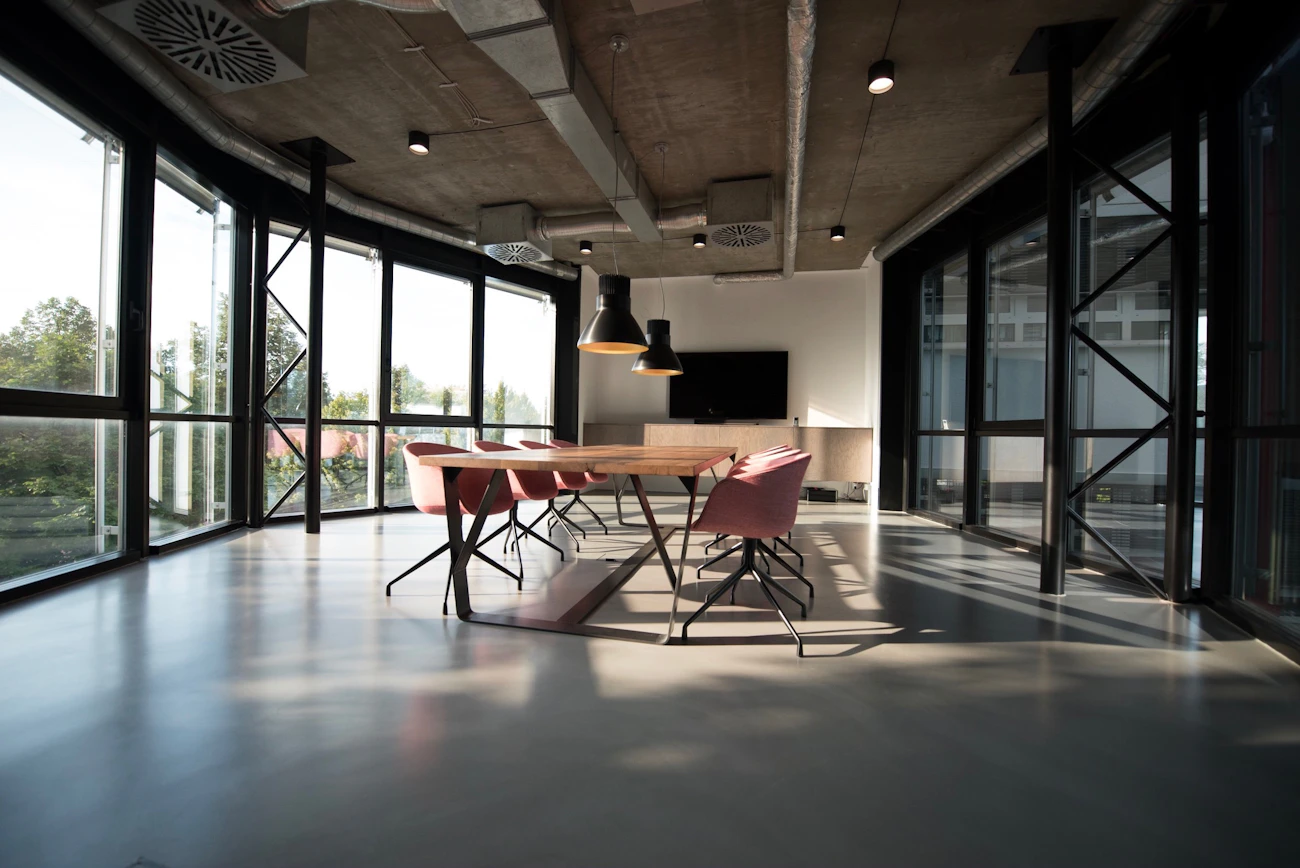
A commercial solar system should be considered against the way the business actually operates. A useful initial assessment looks beyond the annual bill total.
Commercial requirements can differ by site and capacity. This structure keeps the main decisions visible while the specific pathway is confirmed.
Clarify the site, operating profile, electricity objectives and key stakeholders.
Review available bills, interval data, roof information and known electrical details.
Discuss system-size scenarios, equipment direction and business-case assumptions.
Identify relevant property, technical, network and project requirements.
Plan the agreed work around access, safety, operations and confirmed scope.
Establish the agreed monitoring, handover and ongoing-service pathway.
A useful commercial proposal should explain its assumptions. Cost, generation, savings and payback can vary materially between businesses and sites.
Potential savings are generally influenced by how much solar electricity the business uses on site, the electricity rates avoided, export arrangements, operating patterns and ongoing system performance.
Incentives and tax treatment may depend on current programs, eligibility and business circumstances. Confirm current information and seek professional tax advice where appropriate.
Request a tailored proposalShare your business postcode, property type, operating hours and recent electricity information to start a more useful discussion.
A proposal is more useful when a decision-maker can see what has been included, what has been assumed and what may change.
Ask a proposal questionExplore installation, battery and ongoing-care services that may form part of the broader project discussion.
These general answers support the first conversation. Property-specific advice requires relevant business, site and electricity information.
Ask another questionA commercial solar system is a photovoltaic system designed for a business, commercial property or industrial site. It generally includes solar panels, one or more inverters, mounting, electrical equipment and monitoring, with capacity and design based on the site and its electricity profile.
Suitable capacity depends on how much electricity the site uses, when it is used, available roof or land area, budget, export conditions, electrical infrastructure and future plans. Bills and interval data provide a useful starting point.
They are commonly discussed capacity points, but that does not mean one automatically suits a business. The appropriate capacity should follow an assessment of consumption, space, infrastructure and connection requirements.
Cost varies with system size, equipment, roof and access conditions, electrical work, network requirements, monitoring, engineering, battery inclusion and other site-specific factors. A tailored proposal should state what is included and assumed.
That depends on the site's consumption timing, electricity tariffs, system cost, available incentives, exports, finance assumptions and expected performance. A business-case assessment is more reliable than a generic payback claim.
Prepare recent electricity bills, interval or NEM12 data if available, the site address, operating hours, ownership or tenancy information and any future plans such as batteries, EV charging or electrification.
Potentially, but property-owner approval, lease conditions, responsibility for the equipment, access, insurance and the remaining lease term may all need consideration.
A network connection agreement may restrict inverter capacity or how much electricity can be exported. This can affect system design and the value of matching generation with on-site consumption.
No. A grid-connected commercial system can operate without storage. A battery should be assessed against defined objectives such as shifting energy use, selected demand goals, tariff conditions or resilience requirements.
A standard grid-connected solar system normally shuts down during a grid outage for safety. Backup operation requires compatible equipment, defined backup circuits or loads and a system specifically designed for that purpose.
Monitoring, inspections, maintenance and cleaning requirements depend on the site, equipment, environment and documentation. Unusual changes in production should be investigated through an appropriate service pathway.
Tell Kveto Sunspire about the property, operating hours, electricity use and result you want to achieve. We will help identify the next information needed.
General information only. Commercial system suitability, generation, savings, payback, incentives, exports, connection requirements and costs vary by site, location, electricity use, tariffs, equipment and other factors. Obtain a site-specific proposal, review its assumptions and seek appropriate professional advice before making a decision.